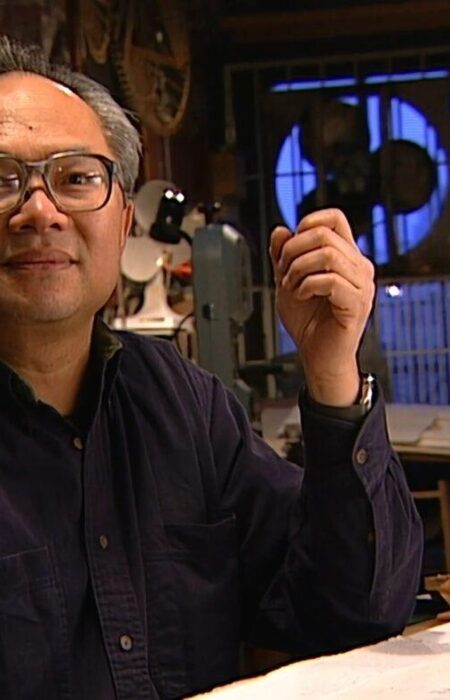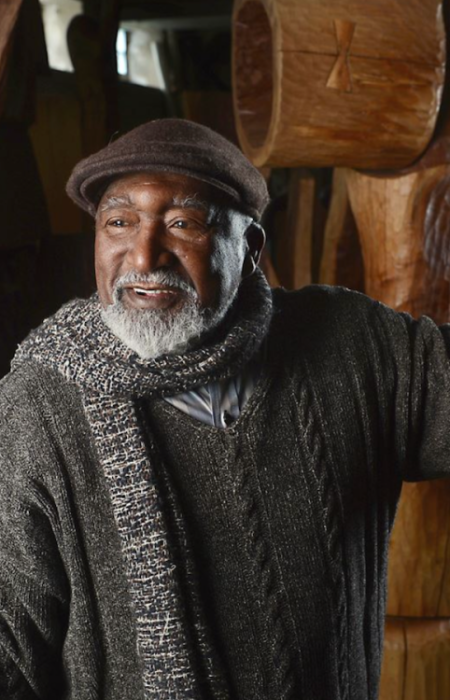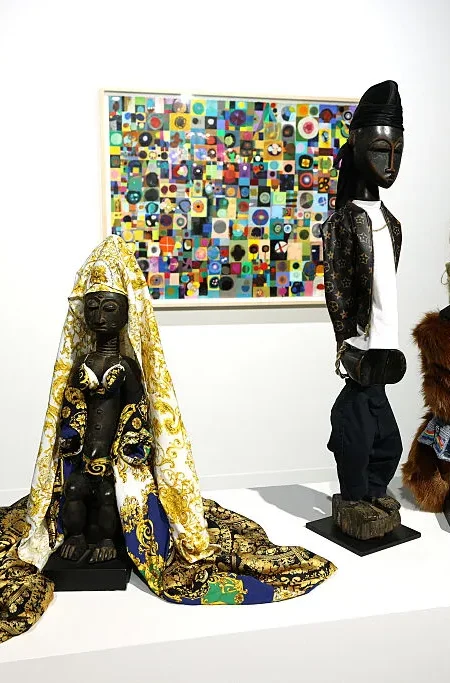
On July 25, 2026, the Hiroshima City Museum of Contemporary Art opens its commemorative exhibition for the 12th Hiroshima Art Prize — awarded to North Carolina-based artist Mel Chin. The exhibition runs until October 12. It is Chin’s first solo exhibition in Japan, and it includes both major works from across his career and a new commission made specifically in collaboration with Hiroshima residents.
The Prize and Its Purpose
The Hiroshima Art Prize was established in 1989 by the City of Hiroshima, awarded every three years to an artist whose work has made a significant contribution to world peace. The list of previous recipients reads as a condensed history of socially engaged art: Issey Miyake, Robert Rauschenberg, Yoko Ono, Shirin Neshat, Doris Salcedo, Mona Hatoum, and Alfredo Jaar, among others.
The selection committee cited Chin’s approach of community dialogue and collaboration as central to the decision. His work, they wrote, presents an alternative way of bringing about social change through art — one that treats communities not as audiences but as co-authors.
An Artist Without a Category
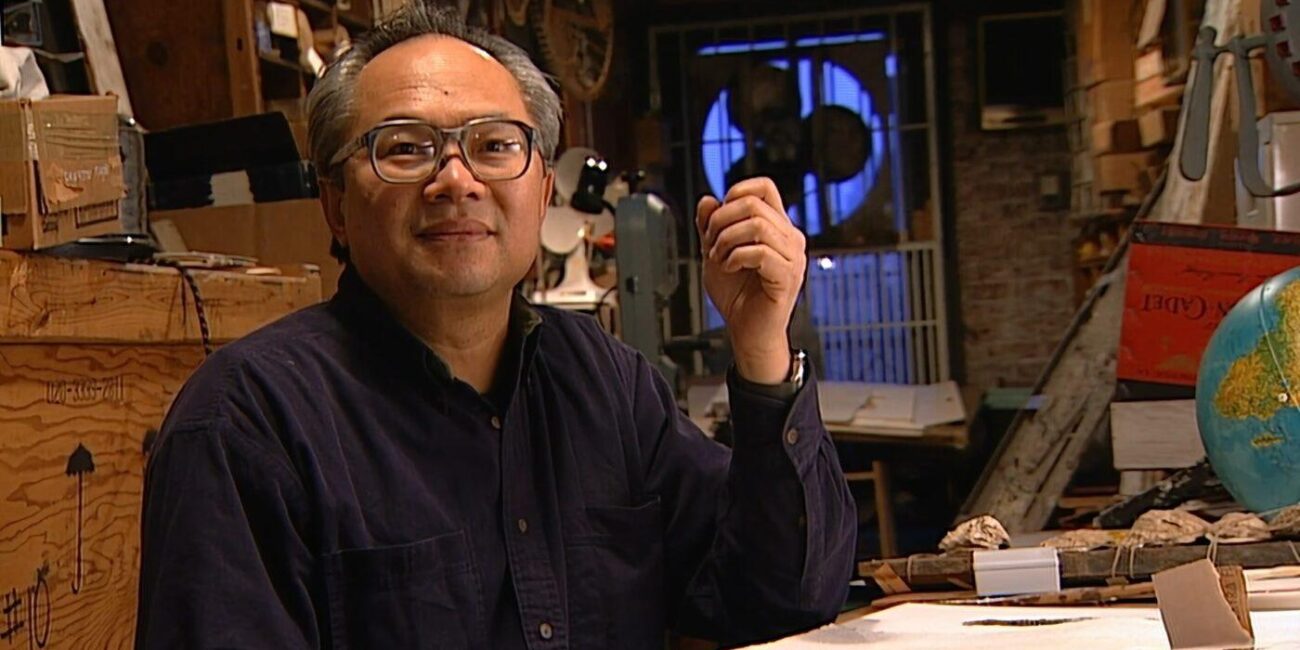
Mel Chin was born in Houston, Texas, in 1951, and trained at Peabody College of Vanderbilt University. His practice resists easy description. It spans sculpture, drawing, painting, animation, video games, and large-scale installation. What runs through all of it is an insistence that art can do something — not just represent a problem but actively work on it.
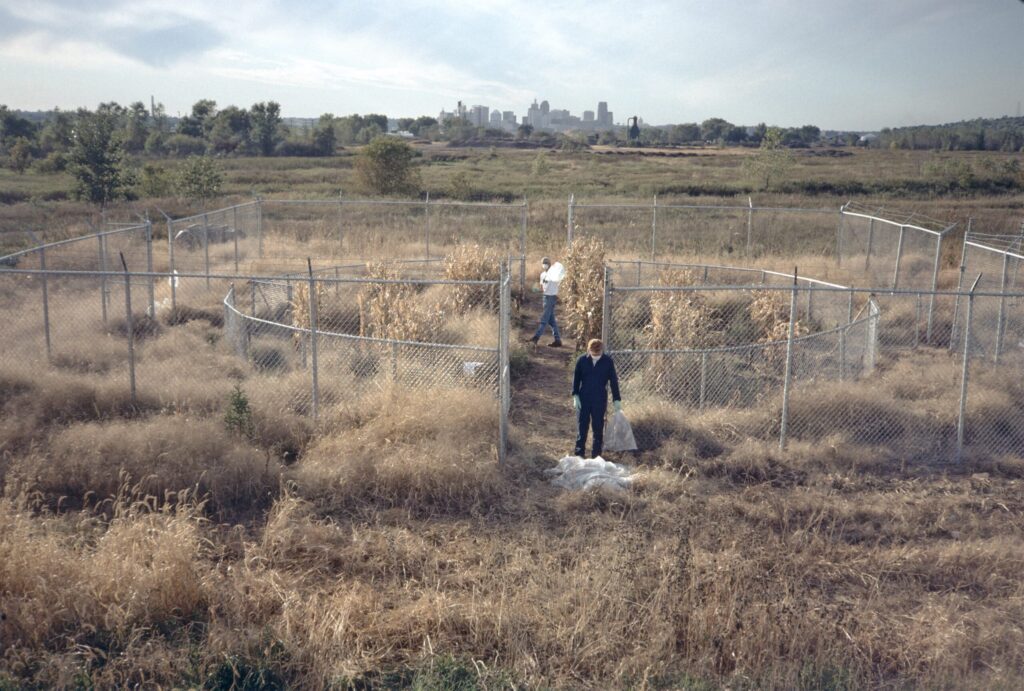
Revival Field, which Chin began developing in 1990, is among the earliest examples. Working with a USDA agronomist, he planted metal-accumulating species on a toxic landfill to test whether plants could extract heavy metals from contaminated soil. The project helped confirm the scientific viability of phytoremediation, and the cleaned land was the work of art.
From 1995 to 1998, Chin formed the GALA Committee, a collective that embedded conceptual artworks into the sets and props of the primetime television drama Melrose Place, addressing issues including reproductive rights, HIV/AIDS, and the Gulf War — reaching millions of viewers who never knew they were looking at art.
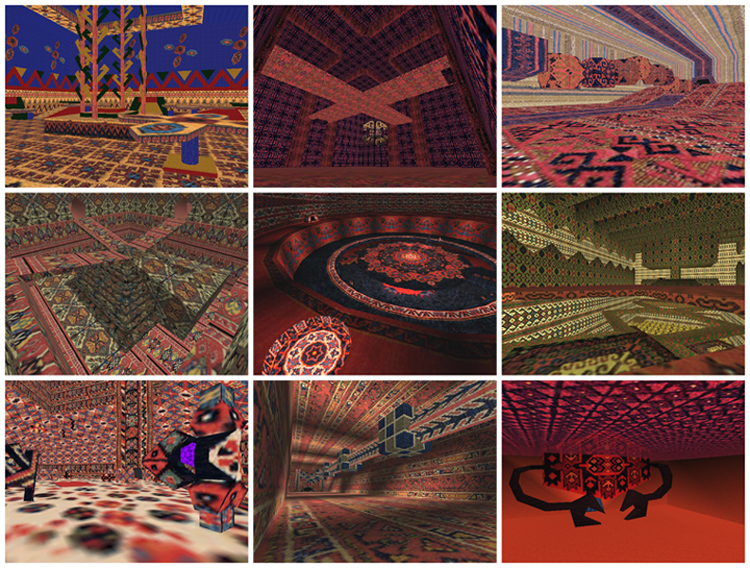
In 1999 he released KNOWMAD, a video game built on rug patterns from nomadic communities in Iran, Afghanistan, the Caucasus, and Central Asia — peoples whose cultures faced disappearance.
In 2006, following Hurricane Katrina, he launched the Fundred Dollar Bill Project, mobilising hundreds of thousands of children across the United States to draw their own versions of a $100 bill, collectively building a body of work aimed at bringing federal attention and funding to childhood lead poisoning. By the time the project concluded in 2019, it had gathered around half a million drawings.
Chin was named a MacArthur Fellow in 2019 and elected to the American Academy of Arts and Letters in 2021.
What the Exhibition Brings
The Hiroshima exhibition is not a standard retrospective. Chin will give an opening lecture on July 25, and the new commission — developed through partnerships with local communities in Hiroshima — sits at the centre of the show.
Upon receiving the prize, Chin made his position plain. He described living in a landscape ravaged by climate-related destruction while witnessing, at a distance, what he called the ongoing savagery of bombardments on civilian populations. He framed the prize as a renewed obligation: to resist complicity in violence and to foster ideas and relationships that work toward empathy over force.
For a city that was the first in the world to experience an atomic bomb, and that has built its cultural identity around the imperative of peace, the choice of Mel Chin — an artist whose entire practice is built on the idea that art must earn its place in the world by doing something useful — feels considered.