The traditional approach to urban revitalization often feels like a clinical exercise in architecture and landscaping. Cities plant trees, install benches, and pave walkways, hoping that the physical infrastructure will somehow manifest a sense of community. Yet, more often than not, these spaces remain soulless until the people who actually inhabit them are given the brush. In the final months of 2025, we are seeing a global shift toward “placemaking” through collaborative art—a movement that prioritizes social equity and local identity over mere aesthetic upgrades.
One of the most striking examples of this philosophy reached its conclusion this December in Mirrabooka, a diverse suburb of Perth, Western Australia. While the location might seem specific, the “Our Identity” project serves as a universal blueprint for how art can serve as a shield against the homogenization of modern cities and a tool for social empowerment.
Beyond Decoration: The Mirrabooka Model
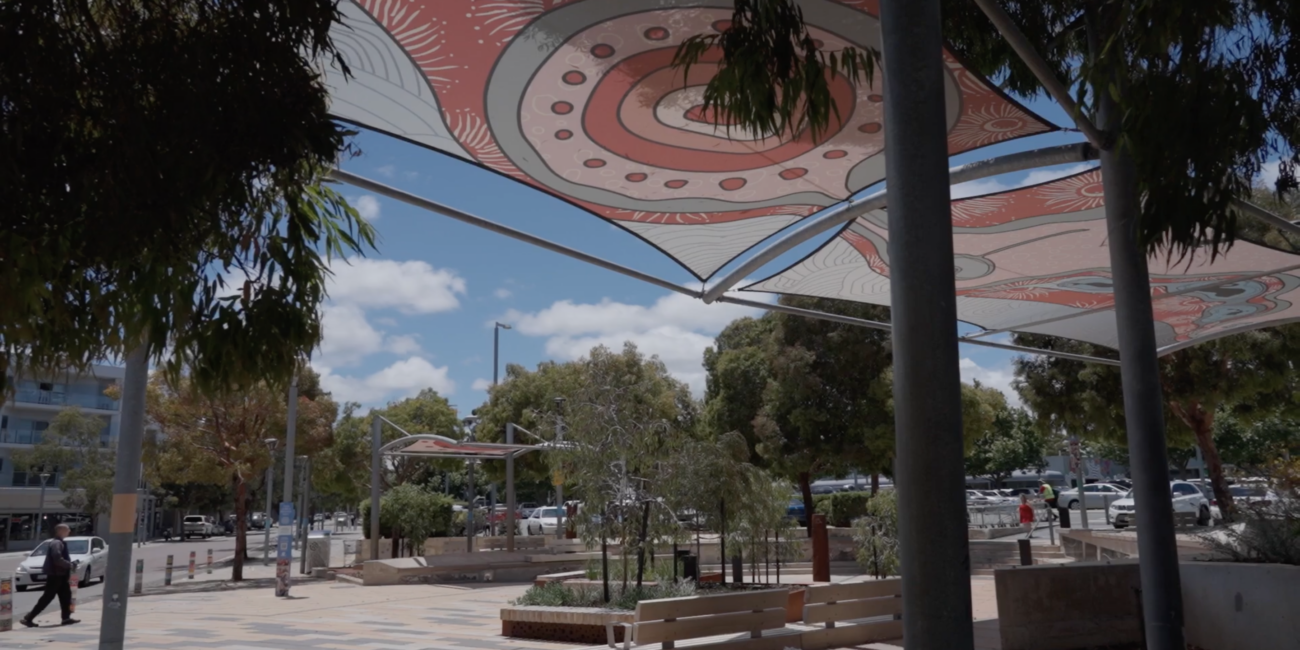
Mirrabooka is a community defined by its multiculturalism, serving as a home to a significant population of indigenous Australians alongside families from dozens of different immigrant backgrounds. When the local government decided to redevelop the Town Square, they chose not to hire a distant firm to create a monumental sculpture. Instead, they launched an initiative that placed the tools of creation directly into the hands of primary school students and local artists.
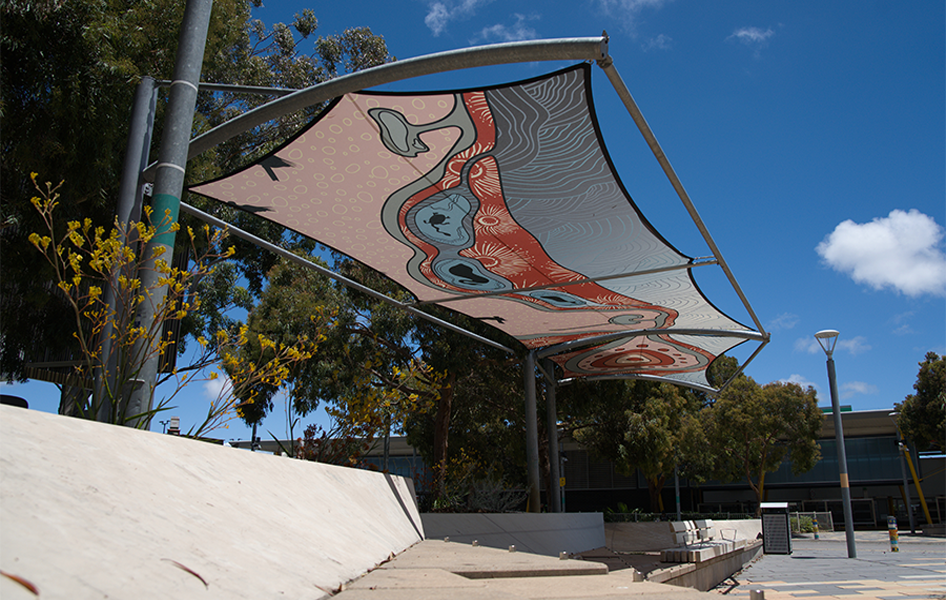
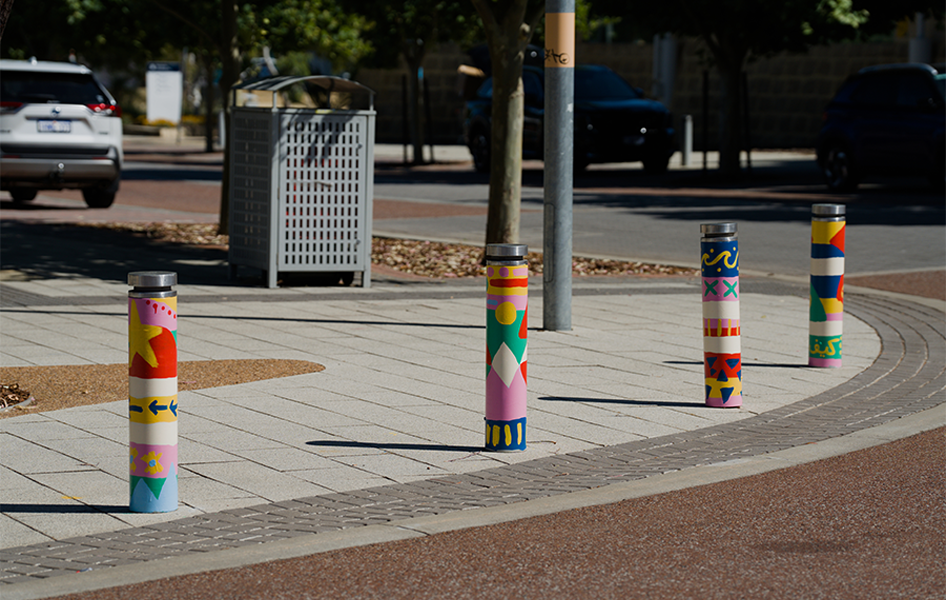
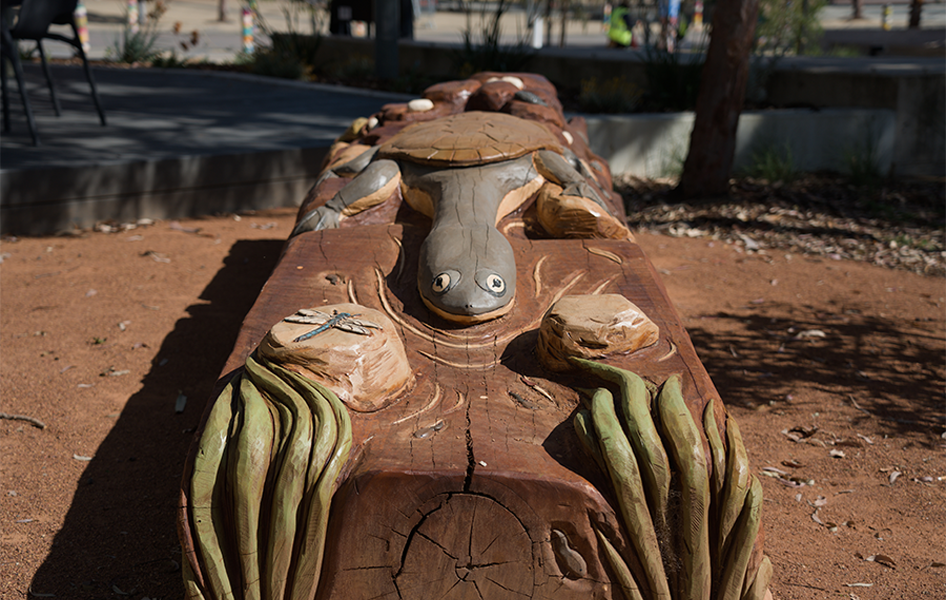
Completed on December 17, 2025, the project features thirty hand-painted bollards and expansive shade sails that now define the town center. The significance of this work lies in its process. By involving the youth in the design of their own public square, the project fosters a sense of psychological ownership. When a child sees their cultural motifs or personal stories reflected in the permanent infrastructure of their city, the message is clear: you belong here, and your identity is an essential part of the civic fabric.
Art as a Tool for Social Equality
Collaborative art initiatives like these are increasingly recognized as vital instruments for social equality. In many urban environments, marginalized groups often feel like guests in their own neighborhoods, living in spaces designed without their input. By decentralizing the artistic process, cities can begin to correct this imbalance.
In the “Our Identity” project, the collaboration between indigenous artists and the younger generation ensured that traditional knowledge was passed down and integrated into a modern context. This creates a bridge between the past and the future, allowing for a form of urban growth that respects ancestral roots while embracing a multicultural present. It is a form of social sustainability that has nothing to do with the environment and everything to do with the human spirit.
The Global Shift Toward Inclusive Placemaking
What happened in Mirrabooka this week is part of a larger, international trend gaining momentum in the latter half of 2025. From the street-level interventions in Perth to community-led mural projects in the suburban hubs of Europe, the focus is shifting toward “inclusive placemaking.” This approach treats art not as a luxury or an afterthought, but as a fundamental right of the citizen.
The success of these initiatives is measured not by the prestige of the artist, but by the reduction in social isolation and the increase in community pride. When public spaces are designed through the lens of collaborative art, they become more than just transit points; they become living galleries that tell a story of who the people are, rather than who the developers want them to be.
Reimagining the Future of Our Streets
As we look toward 2026, the “Our Identity” initiative stands as a reminder that the most successful urban spaces are those that reflect the souls of the people who walk them. By prioritizing social equity and youth engagement, urban planners and artists are proving that the revitalization of a city starts with the validation of its people.
The lesson for international observers is simple: if you want to fix a broken public space, stop looking at blueprints and start looking at the people. When we give communities the power to define their own visual landscape, we create cities that are not just functional, but profoundly human.
Other Articles